
A HENCKELS Classic 8-inch chef's knife weighs over half a pound. Most roundups crown it for the heft. We grab lighter blades more often.
Heavies deliver momentum on dense roots or tough rinds. But home cooks chopping vegetables through three meals fatigue faster under mass than with balance. Lightweight Japanese knives from Shun, Global, and Tojiro maintain edge and control without wrist strain. The premium heft suits restaurant volumes. Our kitchens reward precision over power.
What the hefty premium actually buys
Knife guides pit German forged blades against Japanese singles. HENCKELS and Wüsthof share lists with Global and Shun. Both cut well. The gap favors stamped lightness for home rhythms.
Heftier builds cover three areas mainly. First comes the forge legacy. HENCKELS traces to Solingen since the 1700s. That history sells continuity. It does not slice onions cleaner.
Second arrives the mass for downward force. A heavy blade powers through pumpkin or frozen meat where light ones bind. Home prep rarely demands that leverage. Technique fills the void.
Third sits endurance in high-turnover lines. Forged edges resist rolling under daily steeling abuse. Home cooks hone weekly at most. The delta stays theoretical.
Those traits exist. Light Japanese construction trades them for fatigue-free handling on repeated tasks.
The Global that balances without the bulk
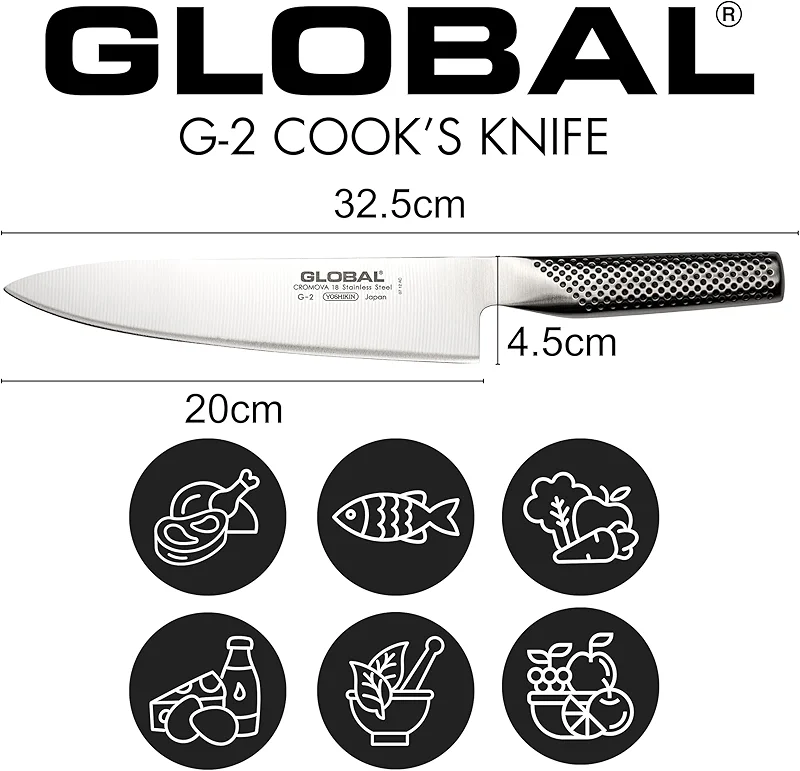
Global's 8-inch chef's knife centers its weight precisely despite thin stamped steel. The molybdenum vanadium alloy holds razor sharpness through routine sharpening. The all-stainless handle molds seamlessly with dimples for traction in wet or oily grips.
That unity prevents slips during marathon prep. Cooks report clean dices on herbs or proteins persisting seasons without replacement. The edge takes steel touch-ups easily, unlike brittle premiums that chip under force.
It lacks forged bolster heft. That absence lightens pivots for fine julienne or rock chops. Skip if carving large joints demands momentum. Otherwise, daily rhythm favors this over heavier siblings.
The Shun that layers Damascus without drag
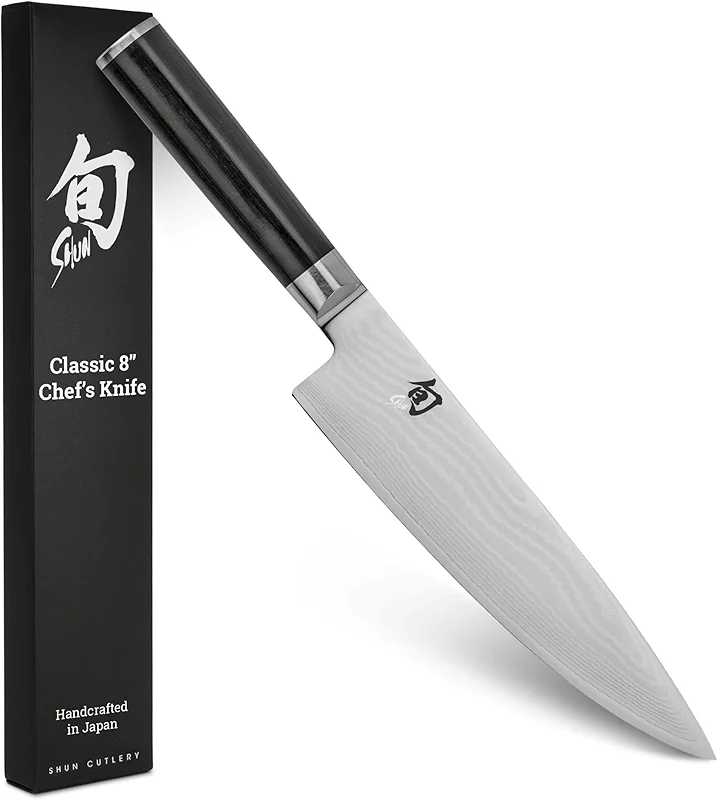
Shun Classic clad 68 Damascus layers over VG-MAX core at a 16-degree angle. That geometry parts fibers cleanly on fish or vegetables. Pakkawood D-shape fits contours for right or left control.
Handcraft in Seki honors samurai traditions updated for kitchens. Reviewers note the thin profile glides through tomatoes or citrus without crushing juice cells. Free honing support extends life.
Beauty marks the blade pattern. Practicality rules the lightness. It flexes less than stamped peers on board bounce. Reach for thicker tasks elsewhere. Precision work thrives here.
The Tojiro that hand-makes chef cuts affordably
Tojiro's 8.2-inch professional receives samurai-style hand finishing in Japan. The blade targets chef duties from mirepoix to loins. Lifetime coverage backs reliability.
Users praise consistent slicing on layered produce or trimmed meats with regular rotation. The profile suits extended sessions without forearm pull. Balance shifts forward for tip control in detail work.
Plain form prioritizes function. No bolster flare binds fingers. That streamlines pinches or rocks. Avoid if aesthetics matter on display. Performance dictates selection.
The pattern across Japanese lightweights
Stamped and layered builds recur in strong Japanese lines. Global stamps thin for balance. Shun clad for edge. Tojiro hand-finish for chef feel. All shed heft without sacrificing cut quality.
German mass evolved for butcher blocks and line cooks. Home scales tilt toward agility. Lightness preserves form through hours. Heavies blunt technique via tension buildup.
Pick the Global first
The Global enters drawers universally due to seamless handling. Add Shun where edge geometry sharpens results. Tojiro rounds value for specialists.
These flank any block without replacement. Lightness wins daily.